From Illegal to Iconic: The Hidden History of Women’s Boxing in Canada & the U.S.
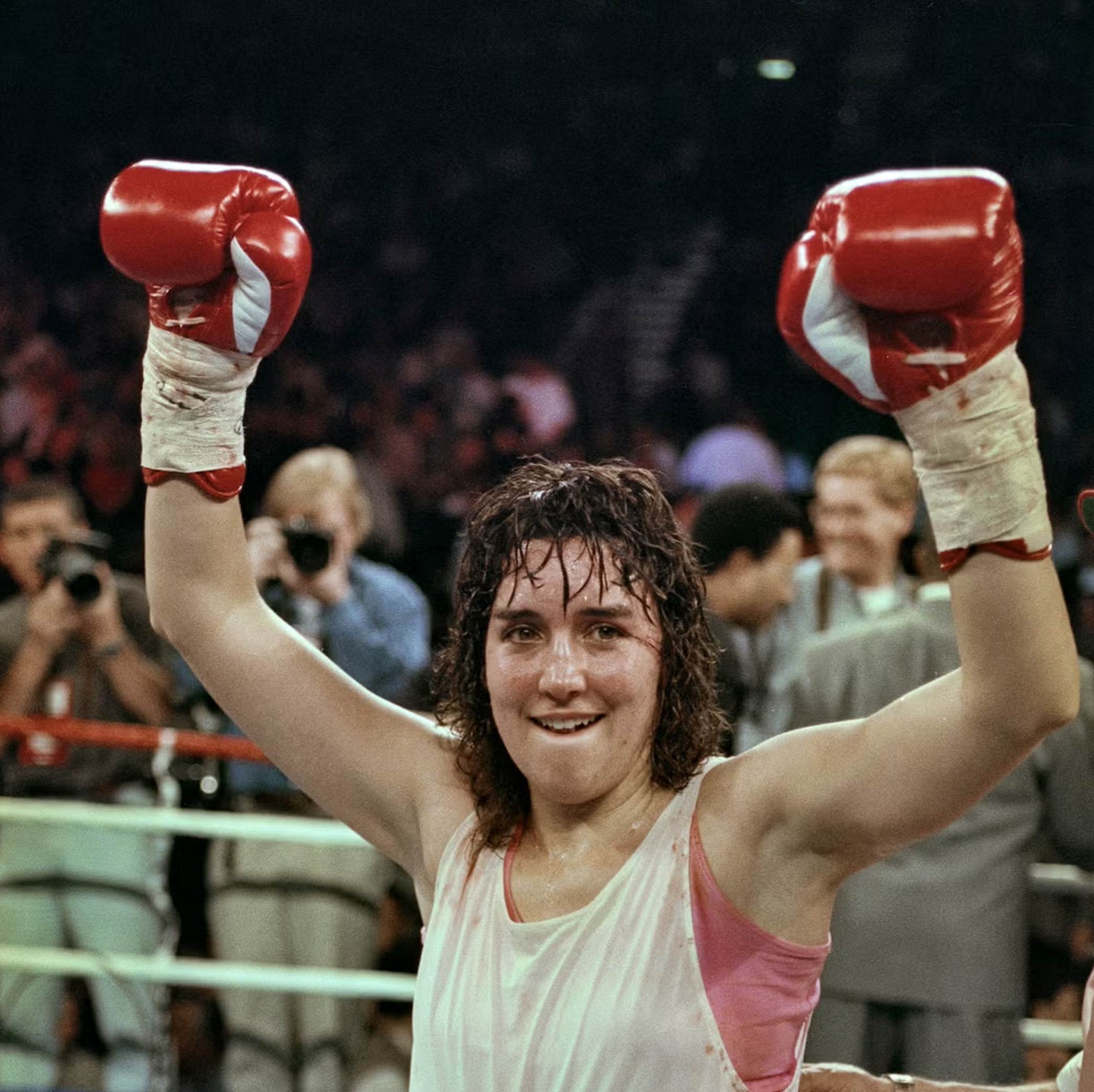
Christy Martin
For most of the 20th century, women weren’t just discouraged from boxing— in many places, they were banned from it. Athletic commissions refused to license them, promoters wouldn’t book them, and if women did get in the ring, it was often dismissed as a sideshow instead of a sport.
Fast-forward a few decades and you’ve got Christy Salters Martin stealing the show on a Mike Tyson undercard, Claressa Shields winning back-to-back Olympic gold medals and headlining world title cards, and Canadian champions like Mary Spencer, Mandy Bujold, and Jelena Mrdjenovich putting in world-level work in both amateur and pro rings.
This article looks at how women’s boxing in Canada and the U.S. went from “not allowed” to undeniable—and what that history means for any woman lacing up a pair of gloves today.
When Women in the Ring Were “Against the Rules”
Through the 20th century, most boxing commissions and athletic bodies either outright banned or quietly blocked women from competing. Promoters didn’t want the “trouble,” audiences weren’t used to seeing women fight, and a lot of people genuinely believed boxing was “too dangerous” for women but somehow fine for men.
In the U.S., state athletic commissions often refused to license women, which made it nearly impossible to fight legally.
In Canada, women’s bouts were rare and often treated as novelties rather than legitimate sport, with sanctioning bodies slow to create any real path for competition.
So women did what fighters always do: they found a way.
Some trained in small pockets of supportive gyms, some fought on undercards as “special attractions,” and some were pushed into sideshow-type matches that did nothing to respect their skill. But all of that pressure quietly built a generation that would eventually crack things open.
Christy Martin: When the World Finally Paid Attention
If you want one name that forced mainstream boxing to look at women seriously, it’s Christy Martin.
In the 1990s, Christy “The Coal Miner’s Daughter” Martin signed with Don King and started appearing on Mike Tyson undercards. She stepped into a space that had never really “allowed” women and refused to play a gimmick. She just fought.
She brawled in bloody, high-action fights that TV audiences couldn’t ignore.
She appeared on the cover of Sports Illustrated and became, for a lot of casual fans, the face of women’s boxing.
Her success made it harder for promoters and networks to keep using the excuse that “no one wanted to watch women fight.”
Christy’s career was complicated and her life outside the ring was extremely tough—but sport-wise, she did something massive: she proved that women’s boxing wasn’t a side show. It was real prizefighting.
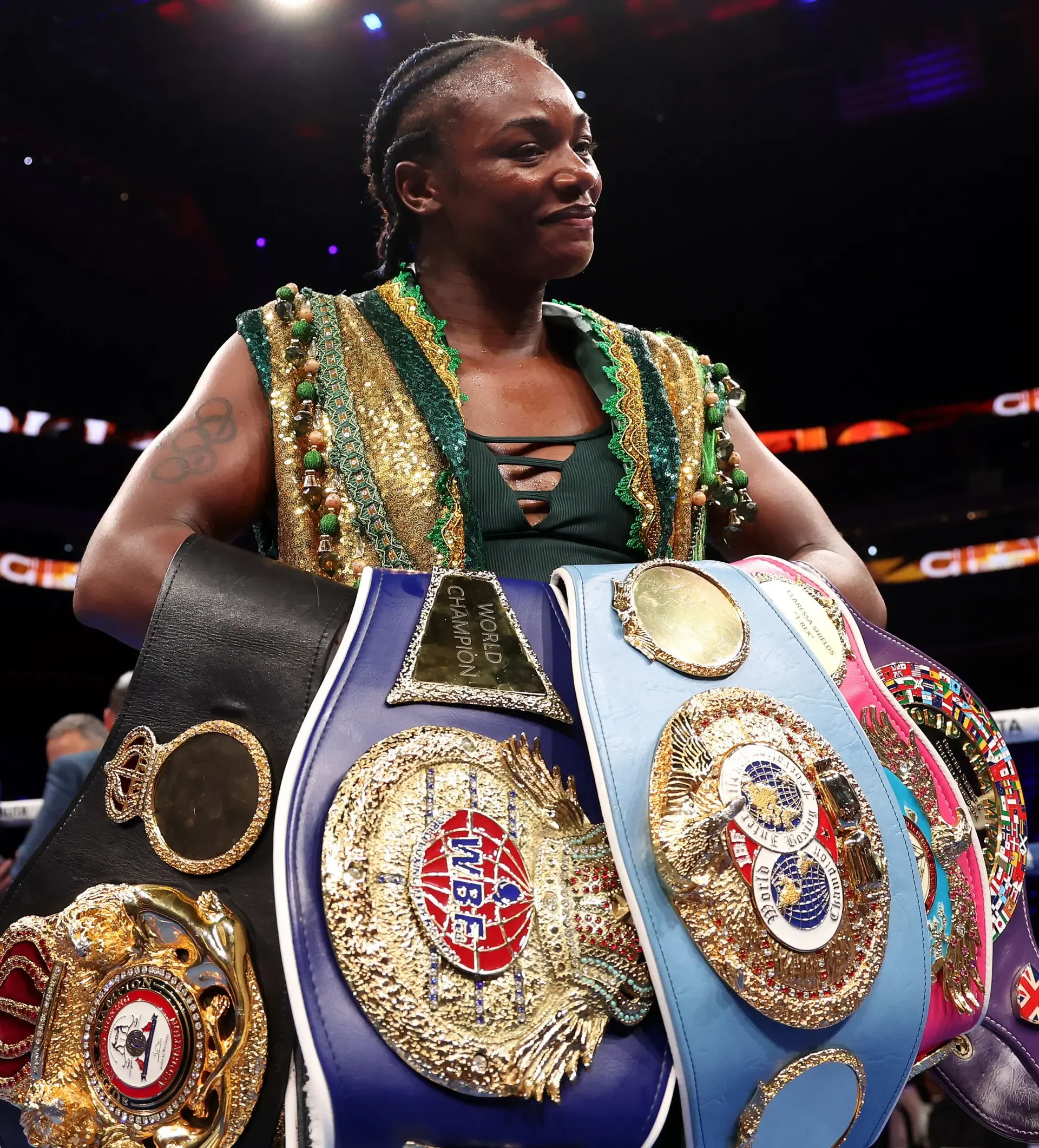
Clarissa Shields - HEAVYWEIGHT CHAMPION OF WORLD
Claressa Shields: From the Margins to the Main Event
If Christy Martin kicked the door open, Claressa Shields walked straight through it and sat at the head of the table.
Shields grew up in Flint, Michigan, started boxing at 11, and within a few years did something no American (man or woman) had ever done: she became a two-time Olympic gold medallist in boxing (London 2012 and Rio 2016).
On the pro side, she’s:
Unified multiple weight divisions.
Headlined major cards.
Called herself the “GWOAT” (Greatest Woman of All Time) and backed it up with results.
What’s important about Claressa isn’t just the belts—it’s visibility. Young girls in Canada and the U.S. finally grew up seeing:
A woman at the top of the card, not hidden on an undercard.
Broadcast teams and promoters talking about women’s fights with the same seriousness as men’s.
A fighter who constantly reminds everyone that women’s boxing is not a side product—it is boxing.
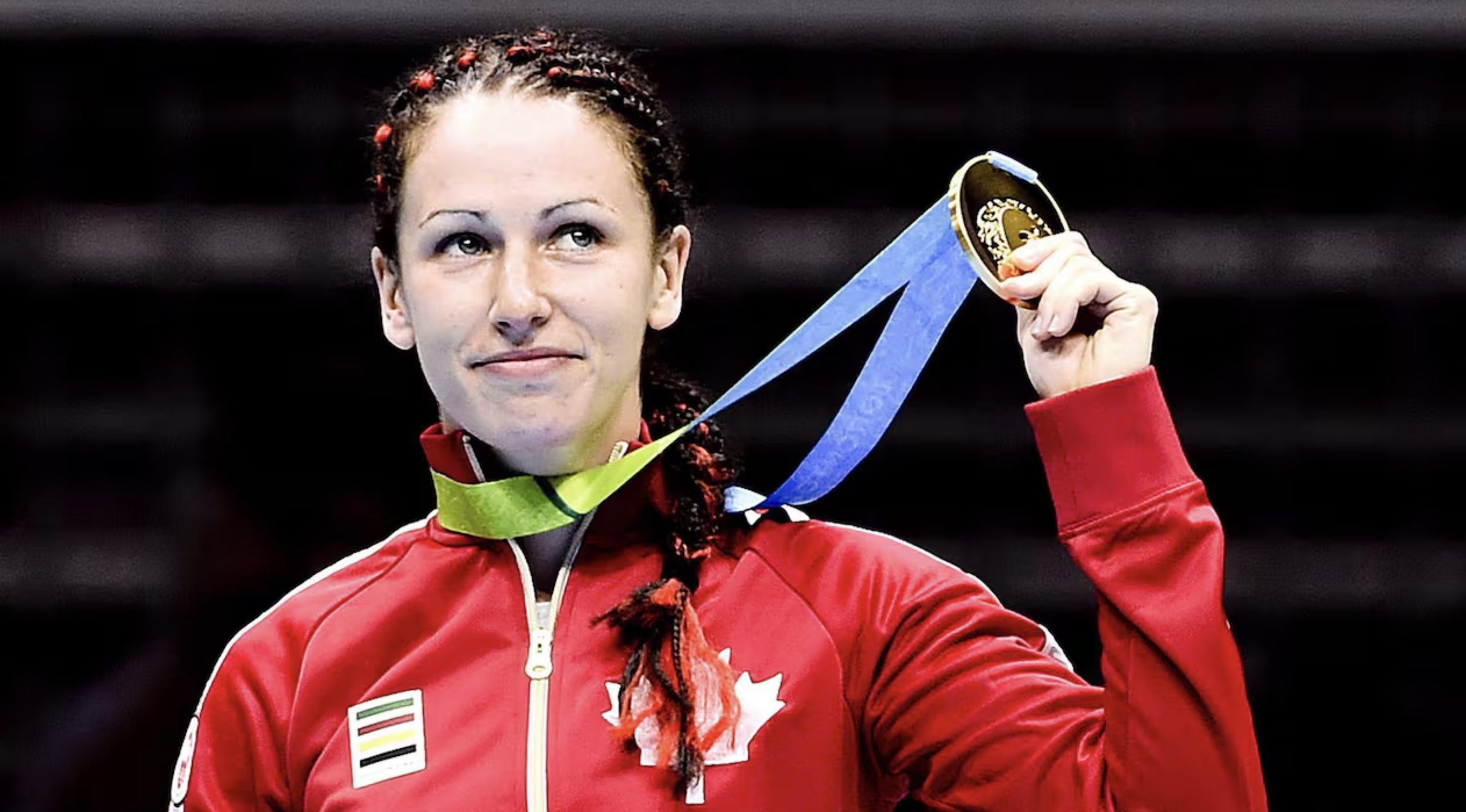
Mandy Bujold - One of the most decorated Canadian Olympic boxers in history
North of the Border: Women’s Boxing in Canada
Canada has its own quiet but powerful lineup of women who pushed the sport forward.
A few key examples you can weave into your content and programming:
Mary Spencer (Ontario) – A three-time world champion and Pan Am Games gold medallist who became one of the most visible faces of Canadian women’s boxing on the amateur scene. She helped show that Canadian women could compete at the very top level.
Mandy Bujold (Kitchener) – A two-time Olympian and multiple-time national champion. Beyond her fights, she gained international attention for standing up for her right to compete at the Tokyo Olympics after a pregnancy-related ranking dispute—another reminder that women in sport still have to fight battles outside the ring too.
Jelena Mrdjenovich (Alberta) – A long-reigning world champion at featherweight and super-featherweight, she held multiple belts across several sanctioning bodies and defended them again and again.
These women didn’t have the same marketing machine behind them as some of their male counterparts, but they built serious résumés and gave Canadian boxing something solid to point to when young girls walked into gyms and asked, “Can I do this too?”
From “Not for Girls” to Packed Women’s Classes
For a long time, the message around women and boxing was simple: this isn’t for you.
Many women trained in the corner of a gym, at odd hours, or in mostly-male environments where they had to constantly “prove” they deserved to be there.
There were limited sparring partners, barely any role models, and almost no structured pathways for them beyond fitness or casual training.
Today, when you walk into a club like ours, it’s not unusual to see:
Women filling beginner classes.
Women in sparring sessions and advanced technical work.
Women asking about competition, not just “cardio boxing.”
The sport has shifted from “are women allowed?” to “how do we build a real pathway for them?”
Why This History Matters for Boxing Clubs
It’s easy to look at a busy co-ed class or a woman competing on a big card and think: this is normal.
It’s not normal. It’s new.
When we design our programs, decide how to fill our classes, or think about who belongs in the ring, we’re standing on top of decades of women being shut out, underpaid, or treated like a novelty. Understanding that history changes how we approach things like:
Programming: Making space for women in all levels—from intro to competition—not just “boxercise” or “ladies’ cardio.”
Coaching: Taking female athletes seriously, correcting them the same way we correct male boxers, and giving them clear development pathways.
Culture: Making sure the environment is respectful, safe, and free from the subtle bias that still creeps in (“she’s good…for a girl”).
Every time a woman signs up for a trial, joins a camp, or steps into sparring, she’s part of a story that started way before Instagram highlight reels and fancy gym renos.